Premier League
Sheffield Wednesday Faces Potential 15-Point Deduction Ahead of 2026/27 League One Season
Sheffield Wednesday is at risk of a 15-point deduction in League One due to unpaid debts to former owner Dejphon Chansiri amid ongoing takeover negotiations and financial challenges.
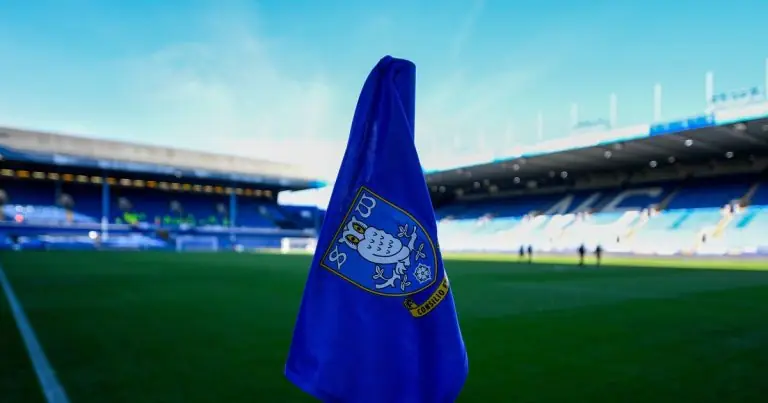
Sheffield Wednesday faces the prospect of beginning the 2026/27 League One season with a significant 15-point deduction. This penalty hinges on whether the club's prospective new owners fulfill a financial obligation to the current owner, Dejphon Chansiri, as part of the club's acquisition process.
The situation involves Sheffield Wednesday, a club competing in England's League One, the third tier of English football. The timing is critical as the club prepares for the upcoming season, with ownership changes underway. The English Football League (EFL) regulations stipulate that when a club is sold, all 'football creditors' must be paid in full, while other creditors are entitled to receive at least 25% of the amounts owed to them. In this context, Dejphon Chansiri, who has been the club's owner for over a decade, is classified as the largest individual creditor.
Chansiri has lent more than £60 million (€69 million) to Sheffield Wednesday during his 11-year tenure. Since these loans were never converted into equity, the new owners are required to pay him at least £15 million (€17.3 million), representing a quarter of the total debt owed, to comply with EFL rules and avoid the automatic deduction of 15 points. Failure to meet this payment condition would result in the club starting the season with a substantial points deficit, which could severely impact their competitive prospects.
Reports from English media, including Sky Sports, indicate that the main candidates interested in acquiring Sheffield Wednesday are former Newcastle United owner Mike Ashley and American financier David Storch. However, both parties appear hesitant to make the necessary payment to Chansiri. This reluctance is attributed to the considerable additional financial burdens associated with the takeover, including nearly €20 million in stadium renovation costs, outstanding tax debts, and legal expenses. These extra costs have complicated negotiations and contributed to offers that fall short of previous bids.
Earlier, James Bord was considered the preferred buyer with an agreed offer of approximately £48 million (€55 million), but he has since withdrawn his proposal. The current offers on the table are reportedly significantly lower, raising concerns about the club's ability to resolve its financial obligations promptly.
Looking ahead, Sheffield Wednesday's immediate future depends on the resolution of these financial and ownership issues. The club's next steps will likely involve continued negotiations with potential buyers and efforts to meet EFL requirements to avoid the points deduction. The outcome will have important implications for the club's standing in League One and its ability to compete effectively in the 2026/27 season.