Uncategorized
Fifa Defends President Gianni Infantino Amid Escalating Tensions with Uefa
Fifa publicly supports president Gianni Infantino amid growing disputes with Uefa and European football authorities, highlighting a deepening leadership crisis in world football governance.
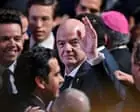
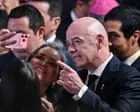
Fifa has publicly defended its president Gianni Infantino amid rising tensions with Uefa and other European football authorities, accusing them of orchestrating a campaign to undermine his leadership. This statement comes as the conflict between the global governing body and its European counterpart intensifies, marking a significant moment in football administration.
Gianni Infantino, who was democratically elected as Fifa president, has recently faced increasing criticism from Uefa and various European football bodies. The disputes have escalated particularly following controversies related to World Cup sell-off plans, which have drawn sharp rebukes from influential stakeholders. Uefa has gone as far as declaring that Infantino's continuation as Fifa president is no longer acceptable, signaling a serious rift at the highest levels of football governance.
Adding to the pressure on Infantino, the Norwegian Football Federation has publicly called for his resignation. Fifa has condemned this move, describing it as an attempt to subvert democratic processes within the organisation. This exchange highlights a broader power struggle between Fifa, which governs football worldwide, and Uefa, the body responsible for European football, reflecting deep divisions over leadership and the future direction of the sport.
The allegations made by Fifa suggest that certain European football leaders are engaged in a "concerted and ongoing effort" to destabilise both the organisation and its president. This public confrontation has intensified what some describe as a civil war within football's leadership, raising concerns about the unity and stability of the sport's administration at a critical time.
The implications of this dispute are far-reaching. Fifa's firm stance in defending Infantino signals its determination to resist pressure from influential European entities and maintain continuity in its leadership. However, the ongoing division could complicate cooperation on upcoming international tournaments and governance reforms, potentially disrupting the global football calendar and affecting organisational stability.
Looking ahead, the conflict between Fifa and Uefa is likely to remain a dominant story in football news. Both organisations may engage in further negotiations or public exchanges as they seek to resolve or escalate the dispute. Fans, clubs, and other stakeholders will be closely monitoring developments, aware that the outcome could influence the governance of international competitions and the broader future of football administration.
For more detailed coverage, see the original report on theguardian.com.