Uncategorized
Gianni Infantino’s Plans to Sell Stakes in FIFA Competitions Collapse After Five Tumultuous Days
FIFA President Gianni Infantino faces a significant defeat as his ambitious plan to commercialize FIFA competitions through stake sales collapses, raising questions about the future of football governance.
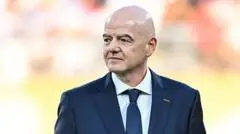
FIFA President Gianni Infantino’s ambitious plan to sell stakes in FIFA competitions has dramatically collapsed after a turbulent five-day period, shaking the foundations of global football governance.
The proposal aimed to attract private investment by selling shares in FIFA's flagship tournaments, including the World Cup, to generate substantial revenue and reshape the financial structure of world football. However, this initiative faced strong opposition and intense scrutiny, ultimately leading to its failure.
Infantino, who has led FIFA since 2016, sought to capitalize on the commercial potential of these competitions to secure long-term funding, reducing FIFA’s reliance on traditional income sources. This move was part of a broader effort to modernize football’s economic model amid increasing demands for transparency and accountability within the sport’s global governing body.
The collapse of the stake sale plan represents a significant setback for FIFA’s strategic direction. It highlights the complex challenge of balancing commercial ambitions with the diverse interests of key stakeholders, including national associations, clubs, players, and fans. The failure also weakens Infantino’s influence, as the plan was one of his flagship projects intended to transform FIFA’s business model.
BBC Sport’s Simon Stone described the episode as a dramatic five-day saga that exposed the entrenched resistance within football’s power structures to such sweeping reforms. The unravelling of this plan underscores the difficulties involved in reforming football governance and the strong opposition that can arise when altering established systems.
Going forward, FIFA will need to explore alternative strategies to sustain and grow its competitions financially without alienating key stakeholders. The organization’s next steps will be closely monitored as it prepares for upcoming tournaments and navigates an increasingly competitive global sports market.
For more detailed analysis, see the original report by BBC Sport’s Simon Stone here.