Premier League
Vitinha Excels in Ball Retention at FIFA World Cup 2026, Bruno Fernandes Leads in Breakthrough Passes
During the 2026 FIFA World Cup, PSG's Vitinha has achieved a remarkable 95% ball retention rate, leading midfielders globally. Meanwhile, Manchester United's Bruno Fernandes leads in short penetrating passes, highlighting their key roles in Portugal's campaign.
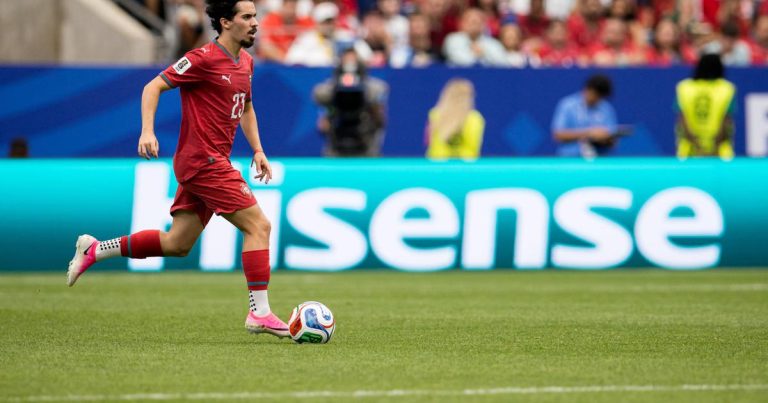
Vitinha has emerged as one of the standout midfielders in the 2026 FIFA World Cup, showcasing an almost flawless ability to retain possession. According to data from the Football Observatory (CIES), the Paris Saint-Germain player boasts a 95 percent success rate in ball retention, placing him at the top among midfielders participating in the tournament.
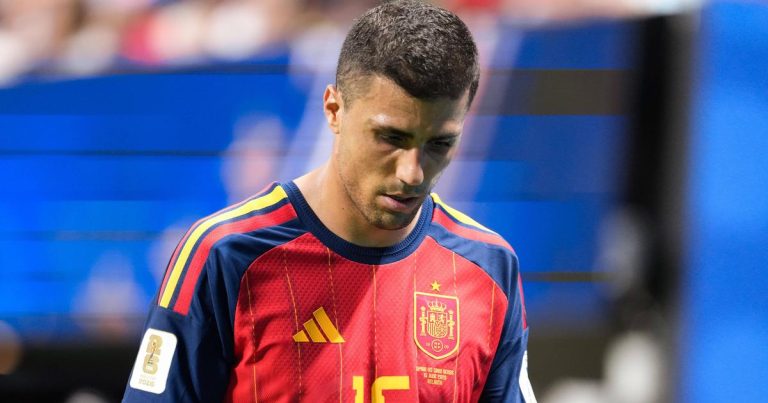
This impressive statistic places Vitinha ahead of other notable midfielders such as Spain's Rodri, who has a 92.6 percent retention rate, and Switzerland's Granit Xhaka, with 86.7 percent. The list also includes Canada's captain Stephen Eustáquio, who maintains an 83.9 percent ball retention rate, underscoring the competitive level of midfield play in the tournament.
Ball retention is a critical skill in the midfield, as it allows teams to maintain control, build attacks, and limit opponents' opportunities. Vitinha's near-perfect record in this area highlights his importance to Portugal's midfield stability and overall game strategy during the World Cup.
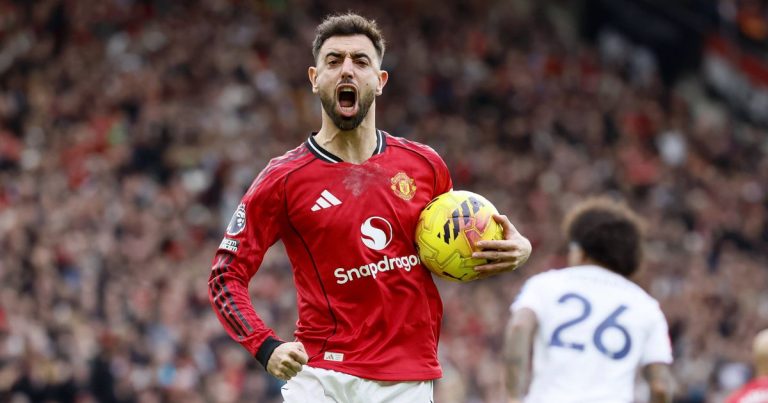
In addition to Vitinha's ball retention prowess, another Portuguese midfielder, Bruno Fernandes, has distinguished himself in a different but equally valuable aspect of midfield play. Fernandes leads the tournament in short penetrating or breakthrough passes, averaging 0.90 such passes per game. These passes, defined by CIES as those shorter than 10 meters that successfully bypass at least four opponents by placing the ball behind them, are crucial for creating space and advancing offensive plays.
Bruno Fernandes' ability to find and exploit space with these precise passes complements Vitinha's ball retention skills, potentially providing Portugal with a balanced and effective midfield combination. Other midfielders close to Fernandes in this metric include Granit Xhaka and England's Michael Olise, indicating a competitive field for creative playmaking.
As the World Cup progresses, the performances of Vitinha and Bruno Fernandes will be closely watched for their impact on Portugal's chances in the tournament. Their contributions in ball retention and breakthrough passing could shape the team's tactical approach and influence match outcomes. Observers will be interested to see if these trends continue and how they affect Portugal's position in the competition.
Looking ahead, Portugal's upcoming fixtures will provide further opportunities for these midfielders to demonstrate their skills on the world stage. Their performances may also influence transfer market considerations and tactical decisions by coaches as the tournament unfolds.