Premier League
Igor Tudor's Departure Highlights Costly Coaching Turnover in the Premier League
Igor Tudor's 44-day spell at Tottenham ended with a costly dismissal, part of a wider Premier League pattern where coaching changes have exceeded €50 million in compensation this season.

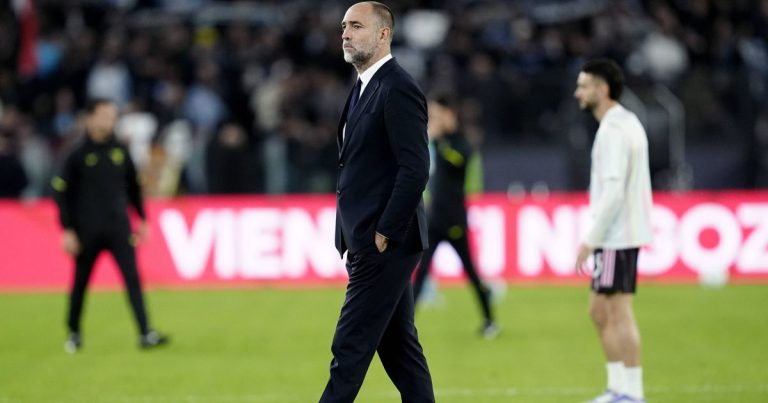
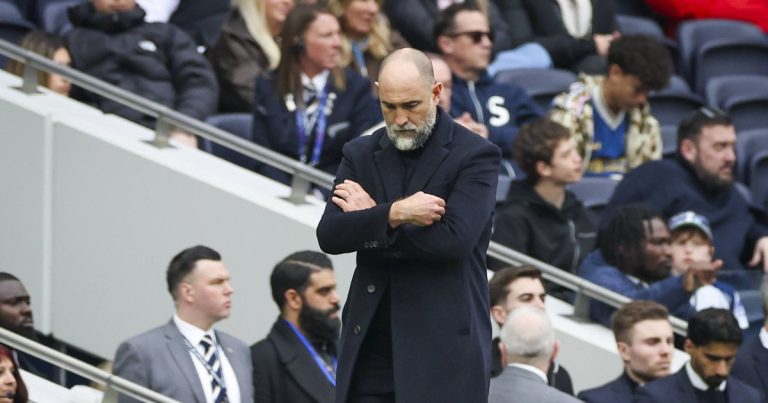
Igor Tudor's swift exit from Tottenham Hotspur after just 44 days in charge has once again highlighted the financial and managerial instability prevalent in some Premier League clubs. His departure, officially described by the club as a 'mutual agreement,' has sparked discussions about the high costs and rapid turnover of coaches in English football.
Tudor's brief spell at Tottenham came during a challenging period for the club, where performance pressures and fears of relegation created an environment ripe for drastic changes. Tottenham, a club competing in the Premier League, faced mounting pressure to reverse poor results quickly, a situation that often leads to coaches becoming scapegoats in crisis scenarios.
The impact of Tudor's dismissal extends beyond the immediate managerial change. It reflects a broader trend in the Premier League this season, where eight coaches have been dismissed at a combined cost exceeding €50 million in compensation. This figure does not account for additional payments made to clubs when hiring coaches still under contract, indicating that the financial burden on clubs is even greater.
Among the dismissed coaches are three Portuguese managers, including Ruben Amorim, who was relieved of his duties at Manchester United. Amorim's compensation reportedly amounted to around €11 million, emphasizing the significant financial stakes involved in coaching changes. Tudor's departure adds to this narrative, illustrating the high turnover rate and the willingness of clubs to absorb substantial costs in pursuit of immediate results.
This pattern of frequent managerial changes and heavy compensation payments raises questions about the sustainability of such approaches in the Premier League. For Tottenham, the next steps will involve stabilizing the team under new leadership and addressing the challenges that led to Tudor's dismissal. The club's upcoming fixtures and transfer market activity will be closely watched as they seek to improve their standing in the league and avoid further disruptions.
Overall, Igor Tudor's exit serves as a case study in the pressures facing Premier League coaches and the financial implications for clubs navigating competitive and high-stakes environments. The situation underscores the delicate balance between performance expectations and long-term planning in modern football management.

![Nottingham Forest Bruno Fernandes - [EN] Dois portugueses na equipa da semana da Premier League](/wp-content/uploads/2026/04/41160a75-5823-4d84-a710-801d856373cf-768x403.jpg)