Uncategorized
Fifa Faces Growing Backlash as Football Leaders Rally Against Infantino’s Legacy
Fifa president Gianni Infantino faces mounting opposition from football federations amid criticism over commercial deals and the Qatar World Cup legacy, signaling a potential turning point for the sport’s governance.
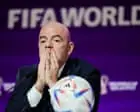
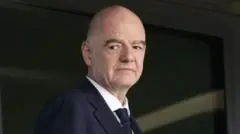
Fifa president Gianni Infantino is facing a growing rebellion from football federation leaders, who are increasingly critical of his commercial decisions and the handling of the Qatar World Cup. This backlash marks a significant moment in football’s governance, coming years after contentious proposals to sell off Fifa’s commercial legacy.
The unrest is centered around Fifa’s headquarters, which since July 2025 have been located in Salé, Morocco. This Atlantic coastal city, once a gritty working-class area, has transformed dramatically under Morocco’s autocratic government. Slums have been cleared to make way for ambitious projects including a new tram system, luxury tourism spaces, a modern marina, and a business park called Technopolis. The African headquarters of Fifa now sits amidst this landscape of rapid urban development and economic ambition.
The location of Fifa’s new base underscores the complex nature of the organization’s recent trajectory—marked by disruption, controversy, and aggressive commercial expansion. Infantino’s tenure has been defined by efforts to capitalize on Fifa’s global brand, but these moves have drawn heavy criticism from within the sport. Many federation leaders feel that the commercial legacy is being sold off at the expense of football’s integrity and long-term interests.
This growing opposition reflects a broader frustration with how Fifa has managed key events like the Qatar World Cup, which has been mired in controversy since its inception. The backlash signals a potential shift in power dynamics within world football, as federations seek greater influence over the sport’s future governance and commercial policies.
Looking ahead, the next steps for Fifa and Infantino will likely involve intense negotiations and possible reforms to address the grievances of member federations. The situation remains fluid, with football’s global stakeholders closely watching how this internal conflict unfolds and what it means for upcoming tournaments and the sport’s commercial environment.
For more detailed analysis, visit the original article on The Guardian.