Uncategorized
Gianni Infantino Denies UEFA Departure Payment Allegations Amid Controversy
FIFA president Gianni Infantino rejects allegations of improper payments by UEFA to a former employee. UEFA confirms departure payment complied with regulations amid ongoing governance concerns.
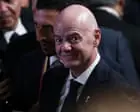
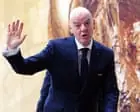
FIFA president Gianni Infantino has firmly denied allegations that UEFA made a secret payment to a female employee who was reportedly involved with him during his time as UEFA general secretary. The claims surfaced following a report by The Daily Telegraph, which suggested that a six-figure departure payment was made to the employee to facilitate her exit from the organisation.
Infantino served as UEFA general secretary from 2009 until 2016 before taking on his current role as FIFA president. The controversy revolves around the nature of the payment and the alleged relationship between Infantino and the employee during his UEFA tenure. UEFA has confirmed that a departure payment was indeed made, alongside covering fees for an MBA course the employee undertook, but stressed that all payments complied with the regulations in place at the time.
This situation has brought renewed attention to governance and transparency issues within football's leading bodies. Given Infantino's prominent position in world football, the allegations—though categorically denied by FIFA—have sparked debate about internal management practices and financial dealings during his leadership at UEFA. FIFA has dismissed any suggestion of a personal relationship between Infantino and the employee as false, aiming to clarify the president's position amid media scrutiny.
UEFA's statement emphasised that the departure payment and educational fees were legitimate and properly authorised. However, the case highlights the challenges football organisations face in maintaining clear and transparent procedures, especially regarding personnel matters and financial arrangements. It also underscores the importance of robust governance frameworks to protect the integrity of football institutions.
While no official investigation or disciplinary action has been announced to date, the football community remains vigilant. Both UEFA and FIFA may encounter increased scrutiny over their internal processes as stakeholders, supporters, and media outlets demand greater accountability. The timing of these allegations comes at a sensitive moment, with UEFA preparing for upcoming fixtures and administrative meetings where governance issues could be further examined.
Beyond the immediate controversy, this story matters because it touches on the broader theme of trust in football's governing bodies. Transparency and ethical management are critical for maintaining the sport's reputation and ensuring fair play off the pitch. How UEFA and FIFA respond to such allegations can influence public confidence and impact future reforms in football administration.
Gianni Infantino continues to lead FIFA amid these claims, and the situation remains under close observation. The outcome may have implications not only for his leadership but also for the governance standards expected from football's top institutions. Supporters and stakeholders will be watching closely as the story develops.
For further information, see the original report on The Guardian.