Uncategorized
Infantino’s World Cup Commercial Rights Plan Highlights Expansion Ambitions
FIFA President Gianni Infantino’s plan to sell a share of World Cup commercial rights reflects his ongoing vision for football’s expansion and increased funding since his 2016 election.
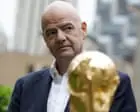
FIFA’s announcement to sell a portion of the World Cup’s commercial rights to external investors has sparked fresh debate about the direction of football’s governing body under President Gianni Infantino. This latest development is part of a broader pattern of strategic decisions aimed at expanding the sport’s financial base and global reach.
From Unexpected Victory to Ambitious Vision
When Gianni Infantino was elected FIFA president in 2016, his win was considered a surprise. Coming after the troubled era of Sepp Blatter, Infantino’s campaign promised to restore FIFA’s image through increased transparency and accountability. However, alongside these pledges, he also forecasted a "very significant increase" in funding for the organisation and the sport itself.
Early on, Infantino was perceived as a typical Swiss bureaucrat, but perceptions have shifted dramatically. Today, many football insiders describe him as someone with the mindset of a national leader, highlighting his authoritative style and expansive vision for FIFA.
A Clear Desire for Expansion
Infantino’s tenure has been marked by a consistent focus on growing professional football and increasing its revenue potential. The recent decision to sell a share of the World Cup’s commercial rights to outside investors fits squarely within this agenda.
This move, announced without prior consultation, reveals the president’s willingness to make bold, top-down decisions. It also reflects his enduring belief that football’s future depends on leveraging commercial opportunities more aggressively than ever before.
Balancing Growth and Governance
While Infantino’s vision aims to bring more funding and global attention to football, it has also raised questions about governance and stakeholder involvement. The lack of consultation with member associations and other key parties in the lead-up to the commercial rights decision has been a point of contention.
Nevertheless, the broader strategy remains clear: FIFA under Infantino is focused on expanding its commercial footprint, increasing revenues, and cementing football’s status as a dominant global sport.
Looking Ahead
As FIFA continues to explore new revenue streams and partnerships, the football world will be watching closely to see how these changes affect the sport’s governance and integrity. Infantino’s approach may well define the next chapter of football’s evolution on the global stage.
For more details on FIFA’s latest plans and Infantino’s leadership style, visit the original article.