Uncategorized
Ireland Manager Heimir Hallgrímsson Backed by Prime Minister Micheál Martin Amid Israel Football Row
Prime Minister Micheál Martin has defended Ireland manager Heimir Hallgrímsson after Israel's football federation accused him of 'stupidity' over Gaza war remarks, highlighting political tensions impacting football relations.
Ireland football manager Heimir Hallgrímsson has found himself at the center of a diplomatic controversy after Israel's football federation publicly accused him of "stupidity, ignorance and hypocrisy" regarding his comments on the ongoing war in Gaza. The dispute has escalated beyond football, drawing the attention and backing of Ireland's Prime Minister Micheál Martin.
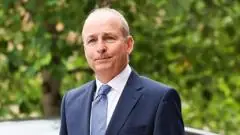
Hallgrímsson, who leads the Republic of Ireland national team, made remarks concerning the Gaza conflict that prompted backlash from Israel's football authorities. The timing of this controversy coincides with the international spotlight on the conflict, as political tensions continue to influence sporting relations. Micheál Martin, speaking from New York during the United Nations General Assembly, directly addressed the issue, condemning the Israeli football federation's response.
Martin described the Israeli federation's accusations as "unacceptable remarks" and called for their withdrawal. His intervention highlights how the dispute has transcended the football pitch and entered the realm of international diplomacy and political discourse. By publicly supporting Hallgrímsson, Martin has reaffirmed Ireland's stance on the conflict and emphasized the importance of acknowledging the realities of the situation in Gaza.
The implications of this row could extend to the relationship between the Football Association of Ireland (IFA) and the Israel Football Association, potentially affecting future fixtures, sporting cooperation, and the broader football community's engagement with geopolitical issues. Hallgrímsson's position may also be strengthened domestically, with the Irish government standing firmly behind him amidst external criticism.
This incident underscores the increasing intersection between sport and politics, especially in contexts where international conflict is involved. It also reflects the challenges football managers and associations face when their public comments resonate beyond sport, influencing diplomatic conversations and national narratives.
Looking ahead, the IFA and Hallgrímsson will likely focus on upcoming fixtures and preparations for international competitions, while navigating the fallout from this controversy. The situation may also prompt discussions within football governing bodies about the role of political statements and the boundaries of sports diplomacy. Meanwhile, Ireland's position in international football and its relations with other national associations could be shaped by how this dispute evolves.
For further details, see the original report on The Guardian.