Uncategorized
Top European Leagues Demand Major FIFA Reforms Amid Governance Concerns
Four leading European football leagues have issued a joint statement demanding significant changes to FIFA's governance structure, criticizing its current system as ineffective and calling for greater league input.
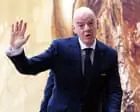
The Premier League, La Liga, Serie A, and the Bundesliga have collectively issued a strong statement calling for urgent reforms to FIFA's governance ahead of Gianni Infantino's campaign for a fourth term as president. This unprecedented alliance highlights growing dissatisfaction with FIFA's current management and its handling of recent controversies.
The four major European leagues, representing some of the most influential football competitions globally, expressed that FIFA's governance is "not fit for purpose." Their joint declaration specifically criticizes what they describe as "expansionism" by FIFA, a reference to the organisation's recent decisions that have sparked widespread debate and concern among football stakeholders. This call for reform comes in the wake of the so-called World Cup sell-off debacle, which has intensified scrutiny of FIFA's internal processes.
The timing of this statement is significant, as Infantino prepares to seek re-election for a fourth term in office. Despite Infantino's openness to an external governance review, the leagues argue that this approach falls short of the comprehensive changes needed. Reports indicate that several members of the FIFA Council have already rejected the proposal for an external review, underscoring the resistance to reform within the organisation.
The impact of this collective stance by Europe's top leagues could be profound. Their united front not only increases pressure on FIFA's leadership but also signals a potential shift in power dynamics within global football governance. The leagues' demand for more input suggests they want a greater say in decision-making processes that affect the sport worldwide, which could lead to a restructuring of FIFA’s operational framework.
This development also reflects broader concerns about FIFA's strategic direction, particularly regarding tournament expansion and commercial decisions that many see as detrimental to the sport's integrity and competitive balance. The leagues' criticism of "expansionism" highlights fears that FIFA's ambitions might undermine established competitions and player welfare.
Looking ahead, the football world will be watching closely how FIFA responds to this unprecedented challenge from its most powerful European members. The upcoming presidential election will be a key moment, potentially shaping the future governance of world football. Meanwhile, the leagues may continue to push for reforms, possibly coordinating further actions to ensure their voices are heard in FIFA's decision-making.
For more details on this story, visit The Guardian.