Uncategorized
Women’s U20 World Cup Boycott Could Send Crucial Message to FIFA Despite Short-Term Setbacks
The Women’s U20 World Cup boycott threat underscores deep issues with FIFA’s approach to women’s football, with calls for reform and greater respect from the governing body.
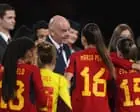
The looming boycott of the Women’s U20 World Cup may cause short-term difficulties but could ultimately serve as a powerful catalyst for change within FIFA and the broader women’s football community.
Women’s football has long faced challenges in gaining equal respect and resources compared to the men’s game. The upcoming U20 tournament, a key event showcasing emerging female talent on the international stage, has become a focal point for activists and players frustrated by FIFA’s perceived lack of meaningful support and outdated leadership attitudes. This discontent was exemplified three years ago when FIFA president Gianni Infantino delivered a condescending speech in Sydney, urging women to "pick the right battles" while dismissing their concerns—an episode that left many senior figures in the women’s game exasperated.
The boycott threat reflects broader dissatisfaction with FIFA’s handling of women’s football since Infantino’s re-election in March 2023, a period marked by ongoing controversies and calls for reform. Advocates argue that such actions, though potentially harmful in the short term, are necessary to push FIFA towards greater accountability and investment in the women’s game. The message is clear: women in football possess the power to influence change and must assert their demands to open doors that FIFA’s leadership has historically kept closed or only partially ajar.
This development could have significant implications for teams, organizers, and sponsors involved in the U20 World Cup. While the immediate impact might include disruptions to the tournament’s schedule and competitive integrity, the longer-term effect could be a stronger, more equitable platform for women’s football globally. It may also prompt FIFA to reconsider its approach to governance and support for women’s competitions.
Looking ahead, the focus will be on whether the boycott materializes and how FIFA responds to these growing pressures. The next steps for the women’s football community will likely involve continued advocacy and strategic actions aimed at ensuring the sport receives the respect and resources it deserves. Meanwhile, fans and stakeholders await the U20 World Cup kickoff, hopeful that the tournament can proceed while also serving as a turning point in the campaign for gender equality in football.
For further details, see the original article on theguardian.com.