Uncategorized
Iran Proposes Playing 2026 World Cup Matches Solely on Mexican Soil Amid Middle East Conflict
Amid Middle East tensions, Iran suggests playing its 2026 World Cup games only in Mexico instead of the United States, seeking FIFA's approval to ensure team safety and participation.
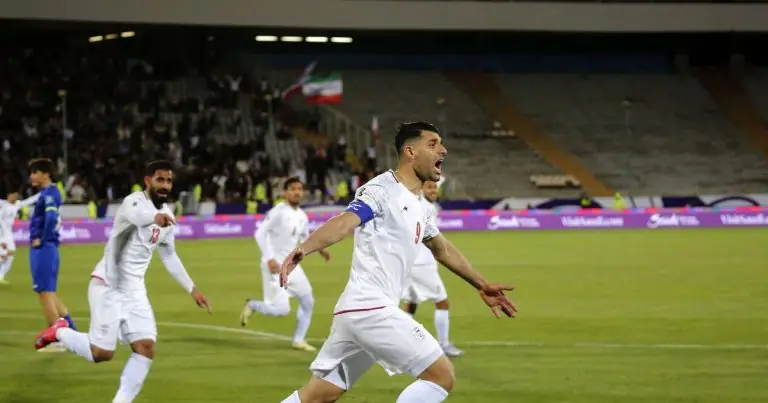
Iran has put forward a proposal to FIFA to change the venues of its matches for the 2026 FIFA World Cup, suggesting that all its games be played exclusively in Mexico rather than across North America. This request is driven by security concerns linked to the ongoing conflict in the Middle East.
The 2026 World Cup, set to be the first to feature 48 teams, will be hosted jointly by the United States, Canada, and Mexico from June 11 to July 19. Iran is drawn in Group G, with scheduled matches against Belgium, Egypt, and New Zealand. Currently, these matches are planned to take place on American soil—two in Los Angeles and one in Seattle. Additionally, Iran's training camp is expected to be based in Tucson, Arizona.
The proposal to relocate Iran's matches solely to Mexico represents a significant potential change to the tournament's logistics. It would impact not only Iran but also the broader scheduling, travel arrangements, and coordination among teams and organizers. Iran's Minister of Sports, Ahmad Donyamali, as reported by the state news agency IRNA, emphasized the importance of ensuring the team's participation in the tournament despite the regional tensions. He noted that the proposal is under consideration in collaboration with FIFA, highlighting the need to carefully evaluate all sporting aspects to maintain Iran's involvement.
The backdrop to this request includes heightened security concerns stemming from ongoing military actions. Since late February, the United States and Israel have conducted airstrikes targeting Iran, with Tehran responding through counterattacks. These developments have raised questions about the safety of hosting matches in the United States. U.S. President Donald Trump has expressed that it may be "not appropriate" for Iran to participate due to these security issues. However, Iran has maintained that decisions regarding its participation rest solely with FIFA.
If FIFA were to approve Iran's proposal, it would mark a rare and complex adjustment to the World Cup's match locations, potentially setting a precedent for addressing security concerns through venue changes. The decision will require balancing the integrity of the tournament's schedule with the safety and participation of all teams involved.
Looking ahead, FIFA's response to Iran's request will be closely watched. The governing body will need to assess the feasibility of such a change and its implications for the tournament's organization. Meanwhile, Iran and other stakeholders will prepare for the possibility of revised arrangements as the World Cup approaches.