Uncategorized
Iran Faces Potential World Cup Boycott Amid Escalating Conflict and Death of Ayatollah Ali Khamenei
Iran is at risk of boycotting the 2026 World Cup after escalating conflict with the U.S. and Israel and the death of Supreme Leader Ayatollah Ali Khamenei. This article explores the potential impact on the tournament and recalls past instances of World Cup withdrawals.
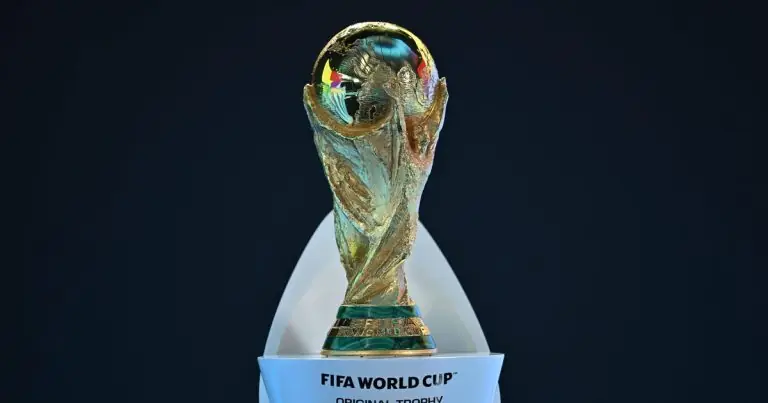
Iran is reportedly considering a boycott of the 2026 FIFA World Cup following a significant escalation in military conflict with the United States and Israel, which has resulted in the death of Iran's Supreme Leader, Ayatollah Ali Khamenei. This development casts uncertainty over Iran's participation in the upcoming tournament scheduled to take place in North America.
The conflict began with coordinated airstrikes by the U.S. and Israel targeting multiple locations across Iran early on a recent Saturday. In response, Iran launched missile and drone attacks on neighboring countries hosting Western military bases. The death of Ayatollah Ali Khamenei during these airstrikes marks a critical turning point, intensifying political tensions and raising questions about the Iranian national football team's future involvement in the World Cup.
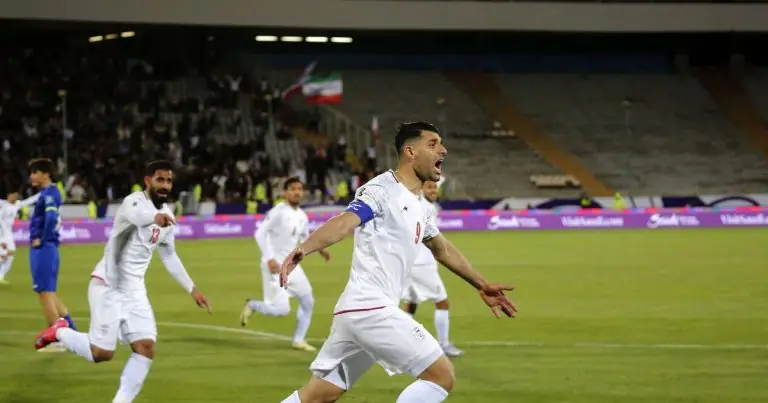
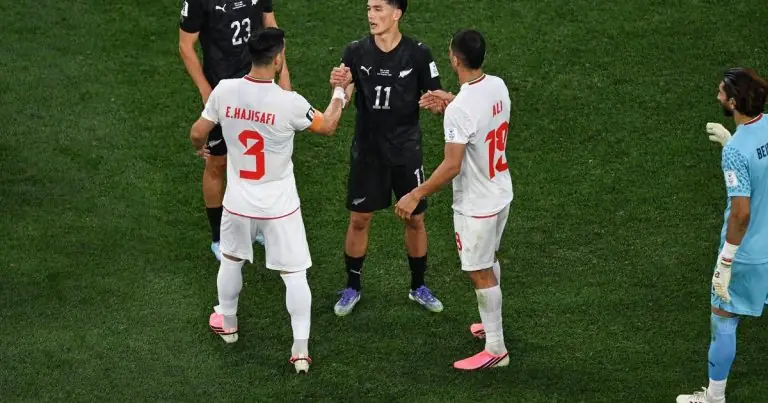
The 2026 World Cup is set to be jointly hosted by the United States, Canada, and Mexico from June 11 to July 19, with all of Iran's group stage matches scheduled in the United States. Iran was drawn into Group G, with fixtures against New Zealand and Belgium in Los Angeles on June 15 and June 21, respectively, followed by a match against Egypt in Seattle on June 26. Iran secured their spot in the tournament by finishing first in their Asian qualifying group.
However, the Iranian Football Federation's position has become increasingly precarious. Members of the federation were already barred from attending the tournament draw in December, and the recent military escalation has led to speculation that Iran may withdraw from the competition entirely. Such a withdrawal would present a significant challenge for FIFA, as no nation has yet boycotted a World Cup for political reasons after qualifying.
While no qualified nation has previously boycotted the World Cup on political grounds, there have been historical instances of countries withdrawing from qualifiers or the tournament itself for various reasons. The potential Iranian boycott would be unprecedented at this stage and could have wide-ranging implications for the tournament's organization and political landscape.
Looking ahead, FIFA and the tournament organizers will need to monitor the situation closely. Iran's next steps remain uncertain, and any official decision regarding their participation will likely depend on the evolving political and security context. The international football community will be watching carefully as the World Cup approaches, aware that the geopolitical situation could impact the tournament's composition and atmosphere.