Uncategorized
Iranian Sports Minister Questions National Team's Participation in 2026 World Cup Amid Ongoing Conflict
Iranian Sports Minister Ahmad Donyamali has raised doubts about the Iranian men's national football team's participation in the 2026 World Cup hosted by the United States, Canada, and Mexico, citing ongoing conflict and recent attacks on Iran.
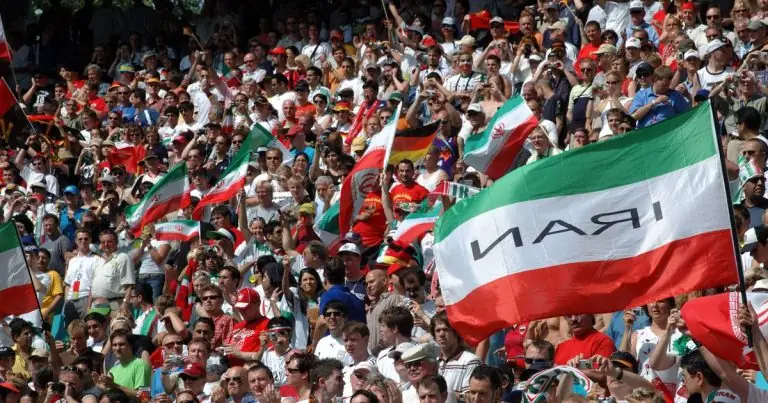
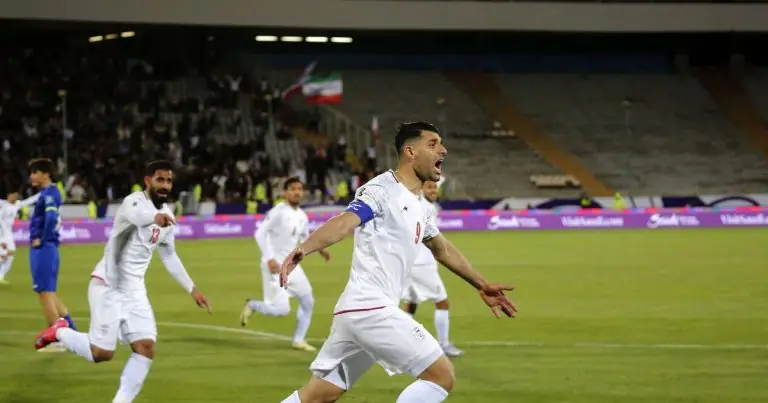
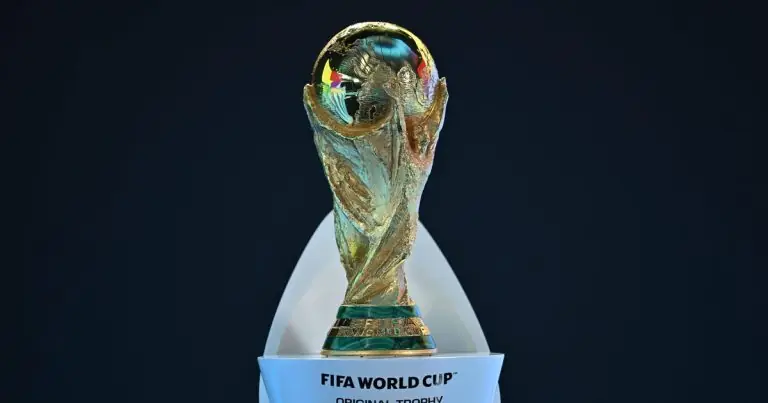
The Iranian men's national football team's participation in the 2026 FIFA World Cup, set to take place across the United States, Canada, and Mexico, has been called into question by Iranian Sports Minister Ahmad Donyamali. The minister's remarks come amid escalating conflict in the Middle East involving airstrikes by the United States and Israel against Iran.
Ahmad Donyamali addressed the issue in an interview with the DPA news agency, expressing that Iran is currently not in a position to participate in the World Cup. He linked this stance to the assassination of Iran's Supreme Leader, Ayatollah Ali Khamenei, which reportedly occurred during the recent attacks. The minister described the Iranian government as "corrupt" and highlighted the severe consequences of the conflict, including the loss of thousands of lives and the burden of fighting two wars within a short span of eight to nine months.
The 2026 World Cup is a significant international football tournament, with Iran scheduled to play three group stage matches in U.S. cities. Their fixtures include games against Belgium and Egypt in Inglewood, California, followed by a match against New Zealand in Seattle. These matches are critical for Iran's ambitions on the global stage and for their fans worldwide.
The potential withdrawal or boycott of the tournament by Iran would have considerable implications. For the team, it would mean missing out on one of football's most prestigious competitions, impacting player exposure and development. For the tournament, it could affect group dynamics and scheduling. The political and security situation thus directly intersects with the sporting event, illustrating how external factors can influence international football participation.
Despite the strong statements from the Iranian Sports Minister, it remains unclear whether the decision to boycott the World Cup is final. The situation is fluid, and further developments may depend on diplomatic negotiations, security assessments, and internal deliberations within Iran's football federation and government. Observers and fans will be closely monitoring updates as the tournament approaches, with the next steps likely to become clearer in the coming weeks.