Uncategorized
Iran in Talks with FIFA to Move World Cup Matches from U.S. to Mexico Over Security Concerns
Iran is seeking to move its 2026 World Cup matches from the U.S. to Mexico, citing safety concerns amid regional tensions. Talks with FIFA are ongoing as logistical challenges arise.
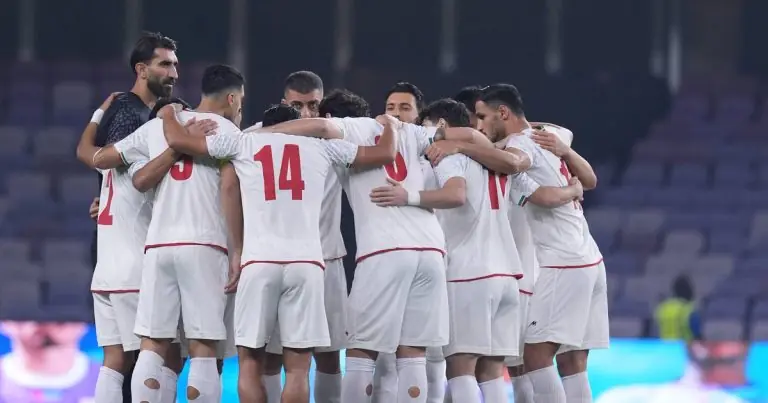
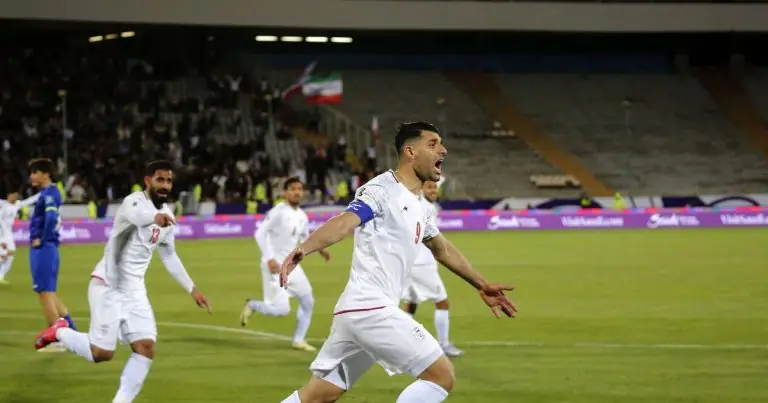
Iran's participation in the 2026 FIFA World Cup is currently uncertain as the Iranian Football Federation engages in discussions with FIFA to relocate its scheduled matches from the United States to Mexico. This move is being considered primarily due to security concerns linked to the ongoing tense geopolitical situation in the Middle East.
The Iranian Football Federation president, Mehdi Taj, is leading the negotiations with FIFA. According to a statement from the Iranian embassy in Mexico, Taj has expressed that the safety of the Iranian national team cannot be guaranteed in the United States. He referenced comments by former U.S. President Donald Trump, who reportedly stated he could not assure the team's security on American soil. As a result, Taj emphasized that Iran is unwilling to participate in matches hosted in the U.S. under these conditions and is actively seeking to have their World Cup fixtures moved to Mexico.
Iran is drawn in Group G of the tournament, with three matches originally scheduled to be played in the United States: two games in Los Angeles and one in Seattle. Their opponents in these fixtures are Belgium, Egypt, and New Zealand. Additionally, Iran's planned training base for the tournament is in Tucson, Arizona. Should the matches be relocated to Mexico, this would necessitate a significant logistical overhaul, including changing training facilities and travel arrangements, which could complicate preparations for the team and organizers alike.
Iran’s Minister of Sports, Ahmad Donyamali, has indicated that the proposal to move the matches will be carefully reviewed in cooperation with FIFA. Meanwhile, Iran’s ambassador to Mexico, Abolfazl Pasandideh, has criticized the U.S. government for what he describes as a lack of cooperation in issuing visas and providing logistical support to the Iranian delegation. Pasandideh also confirmed that he personally suggested to FIFA the possibility of relocating Iran’s matches to Mexico to ensure the team’s safety and participation.
The outcome of these discussions remains pending, and it is unclear how FIFA will respond to Iran’s request. The situation introduces uncertainty not only for Iran’s preparations but also for the tournament’s scheduling and logistics. The next steps will likely involve detailed assessments by FIFA and coordination with the host nations to determine the feasibility of such a move.
As the World Cup approaches, the international football community will be closely monitoring these developments. Iran’s next official matches and training plans depend heavily on the resolution of these talks. Meanwhile, FIFA and the organizing committees must consider the broader implications for security, tournament integrity, and operational planning.