Uncategorized
Gianni Infantino’s World Cup Sale and FIFA’s Financial Push Under Scrutiny
Explore Gianni Infantino’s tenure as FIFA president, focusing on the organisation’s World Cup sales and the ongoing debate over FIFA’s financial direction since 2016.
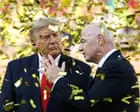
Gianni Infantino’s rise to the presidency of FIFA in February 2016 was met with optimism and hope for reform. Elected on a platform promising to clean up an organisation mired in scandal, Infantino’s leadership was initially hailed as a positive turning point for world football governance.
At the time of his election, figures such as David Gill, the Football Association director, described the day as "a good day for football," while Sunil Gulati, a member of the FIFA executive committee, echoed the sentiment, calling it "a good day for the sport." Yet, reactions were not universally positive, with some critics dismissing Infantino's rise in less flattering terms.
The Big World Cup Sale
Since taking office, Infantino has overseen a significant push to capitalise on the World Cup, FIFA’s flagship event. This has included aggressive sales strategies designed to maximise revenue streams from broadcasting rights, sponsorship, and global marketing campaigns. The scale of these efforts underscores FIFA’s increasing focus on the commercial potential of football’s biggest tournament.
While these sales have brought substantial financial gains, they have also sparked debate about the organisation’s priorities. Critics argue that the drive for profit risks overshadowing the sporting and ethical values that FIFA once championed. The balance between commercial success and maintaining the integrity of the game remains a delicate and ongoing challenge.
FIFA’s Race to the Bottom Line
Infantino’s tenure has been characterised by a clear emphasis on the bottom line. This financial focus reflects a broader trend in global football, where governing bodies and clubs alike seek to maximise revenues amid growing commercial pressures.
However, this approach has not been without controversy. Questions persist about transparency and governance within FIFA, and whether the organisation’s financial ambitions align with the best interests of the sport and its global fanbase. The challenge for Infantino and his administration is to reconcile these competing demands while steering FIFA towards a sustainable future.
Looking Forward
As the football world continues to navigate the complexities of modern sports governance and commercialisation, Infantino’s leadership will be scrutinised for how effectively it manages these tensions. The World Cup remains a central asset for FIFA, but how it is leveraged will shape the organisation’s reputation and influence in the years to come.
For those interested in a deeper dive into FIFA’s recent history and Infantino’s impact, further reading is available at The Guardian.