Uncategorized
US Authorities Shut Down Nearly 2,000 Illegal Streaming Sites During 2026 World Cup
During the 2026 World Cup, US officials conducted 'Operation Red Card,' shutting down close to 2,000 illegal streaming sites, primarily based in Colombia, to protect intellectual property rights.
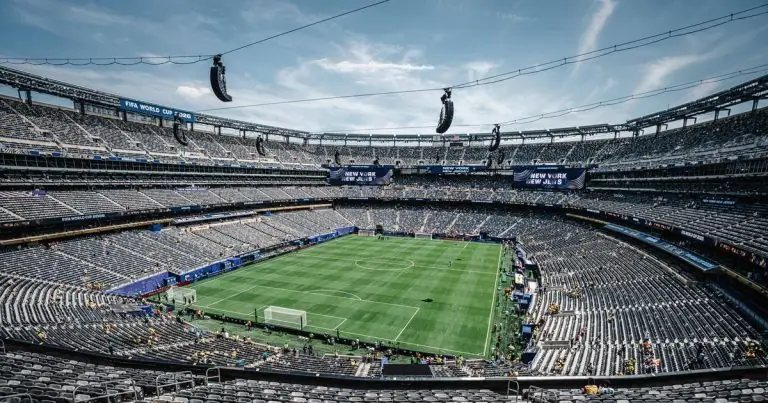
US authorities have successfully shut down nearly 2,000 websites that were illegally streaming live matches of the 2026 FIFA World Cup. This significant enforcement action was announced as part of a broader crackdown on intellectual property violations during the tournament.
The operation, known as 'Operation Red Card,' was initiated during the World Cup and targeted illegal streaming platforms that enabled unauthorized real-time access to the games. The majority of the blocked domains were based in Colombia, with 1,140 sites taken down. Other countries with a notable number of domains involved included Brazil with 309, the Dominican Republic with 256, Peru with 28, and Argentina with 14.
This crackdown was led by the Washington office of the US Immigration and Customs Enforcement (ICE), specifically through its Homeland Security Investigations (HSI) division and the National Intellectual Property Rights Coordination Center. The effort reflects a coordinated approach to protecting intellectual property rights amid a major global sporting event, aiming to preserve the commercial value and integrity of the World Cup broadcast rights.
Deputy Attorney General A. Tysen Duva highlighted the government's commitment to combating illegal streaming and safeguarding intellectual property. He stated that seizing over 1,000 domains dedicated to unauthorized World Cup streaming underscores the administration's dedication to enforcing copyright protections during the 2026 FIFA World Cup.
In addition to the domain seizures, the operation included search and seizure actions in Colombia focused on the counterfeiting of sports merchandise. These efforts led to the arrest of eleven individuals suspected of involvement in the illegal trade of counterfeit World Cup-related products, further emphasizing the comprehensive nature of the crackdown.
Looking ahead, this enforcement action may set a precedent for future international sporting events, highlighting the importance of coordinated efforts between countries to address piracy and counterfeit goods. The ongoing vigilance by authorities is expected to continue throughout the tournament, aiming to protect the rights of broadcasters, sponsors, and official merchandise providers.
As the 2026 World Cup progresses, stakeholders will likely monitor the effectiveness of these measures and consider additional steps to prevent illegal streaming and counterfeit sales. The operation's success may influence strategies for managing intellectual property rights in future global sports competitions.