Premier League
Jürgen Klopp Criticizes 2026 World Cup Hydration Breaks as Football Held Hostage by Executives
Jürgen Klopp, former Liverpool manager and current Red Bull director of football, criticizes the 2026 World Cup hydration breaks, highlighting concerns over commercial interruptions impacting the flow and spirit of football.
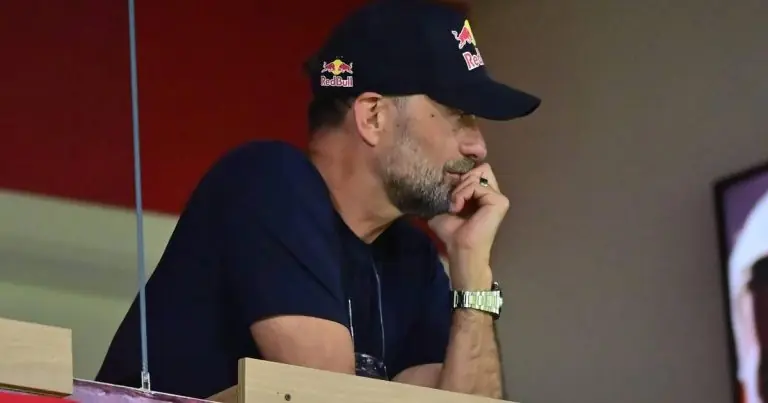
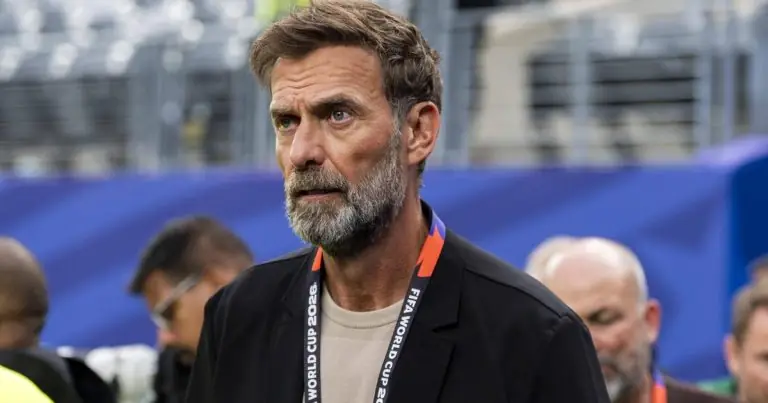
Jürgen Klopp has openly criticized the introduction of hydration breaks during the 2026 World Cup, describing the situation as football being "held hostage by executives in air-conditioned offices." The former Liverpool manager, now serving as director of football at Red Bull, voiced his concerns in an interview with the German broadcaster ZDF.
The hydration breaks, implemented in each half of the matches, have sparked debate regarding their true purpose. Klopp questioned whether these interruptions genuinely serve the interests of fans and players or primarily benefit television advertisers. His remarks came amid observations that many broadcasters have used these breaks to air commercials, disrupting the natural rhythm of the game.
Klopp highlighted a specific instance during the opening match between Mexico and South Africa, where players were forced to delay the resumption of play because the American channel Fox was still broadcasting a commercial block. This example underscored his argument that the breaks are more aligned with television scheduling than the needs of the sport itself.
Expressing concern over the impact on football's essence, Klopp likened the interruptions to "building dams in the middle" of a flowing river, which he warned could be "dangerous for the spirit of the game." He emphasized that a World Cup match should maintain a continuous flow, rather than being segmented by commercial interests.
Klopp concluded with a cautionary note, lamenting that football risks becoming secondary to advertising spectacles. He expressed hope that the sport remains the main event rather than merely "background music" between advertisements, highlighting the potential consequences of prioritizing commercial breaks over the integrity of the game.
As the 2026 World Cup progresses, these concerns may influence ongoing discussions about balancing commercial interests with preserving the traditional flow and excitement of football matches. The reactions from players, coaches, and fans alike could shape future decisions regarding match regulations and broadcasting practices.