La Liga
Morocco Makes World Cup History with Starting Lineup of Players Born Abroad
In a historic first at the 2026 World Cup, Morocco started a match against Brazil with all eleven players born outside Morocco, highlighting the nation's diverse football diaspora.
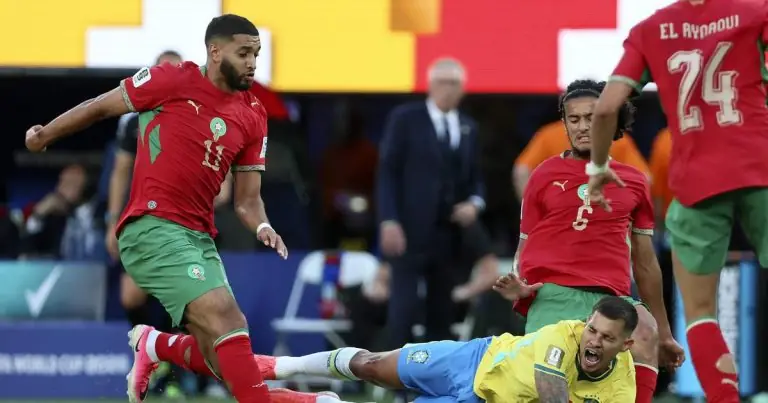
The Moroccan national football team made history during their 2026 World Cup match against Brazil by becoming the first team ever to start a World Cup game with all eleven players born outside the country they represent. This unprecedented occurrence marks a significant moment in World Cup history and highlights the global nature of modern football.
Morocco, a North African nation with a large and widespread diaspora, fielded a starting lineup in which only one player, midfielder Azzedine Ounahi, was born within Morocco itself. The rest of the starting eleven were born abroad, primarily in European countries, with one player born in the Americas. This diverse composition reflects the extensive reach of Moroccan heritage across different continents and football systems.
During the match, Ounahi was substituted in the 64th minute by Samir El Mourabet, who was also born outside Morocco. From that point onward, the entire team on the pitch consisted of players born outside the country, further cementing this unique record. In total, the Moroccan squad featured athletes born in five different countries, four of which were European nations and one from the Americas.
This development is notable not only for its historical significance but also for what it suggests about the evolving dynamics of national team selections in international football. It underscores how players with multicultural backgrounds and dual nationalities are increasingly representing their ancestral countries on the world stage, bringing diverse experiences and styles to their national teams.
Morocco's approach may influence other national teams with large diasporas to consider broader scouting and selection strategies, potentially impacting the competitive landscape of international tournaments. The team's performance in the World Cup, combined with this historic lineup, will be closely observed as the tournament progresses.
Looking ahead, Morocco's next matches in the 2026 World Cup will provide further opportunities to assess how this unique squad composition affects their tactical approach and overall results. The team's ability to integrate players from different footballing backgrounds could prove to be a key factor in their campaign, while also setting a precedent for future international competitions.